History of Kundapura
The making of a coast, from the Alupas to modern Karnataka.
The history of Kundapura is the history of a working coast, a place where rivers, harbours and the Arabian Sea drew traders, dynasties and pilgrims for well over a thousand years. Its fortunes have always been tied to the sheltered estuary of the Panchagangavalli, to the temple that gave it its name, and to its medieval twin, the port of Basrur.
The Alupa dynasty & the founding temple
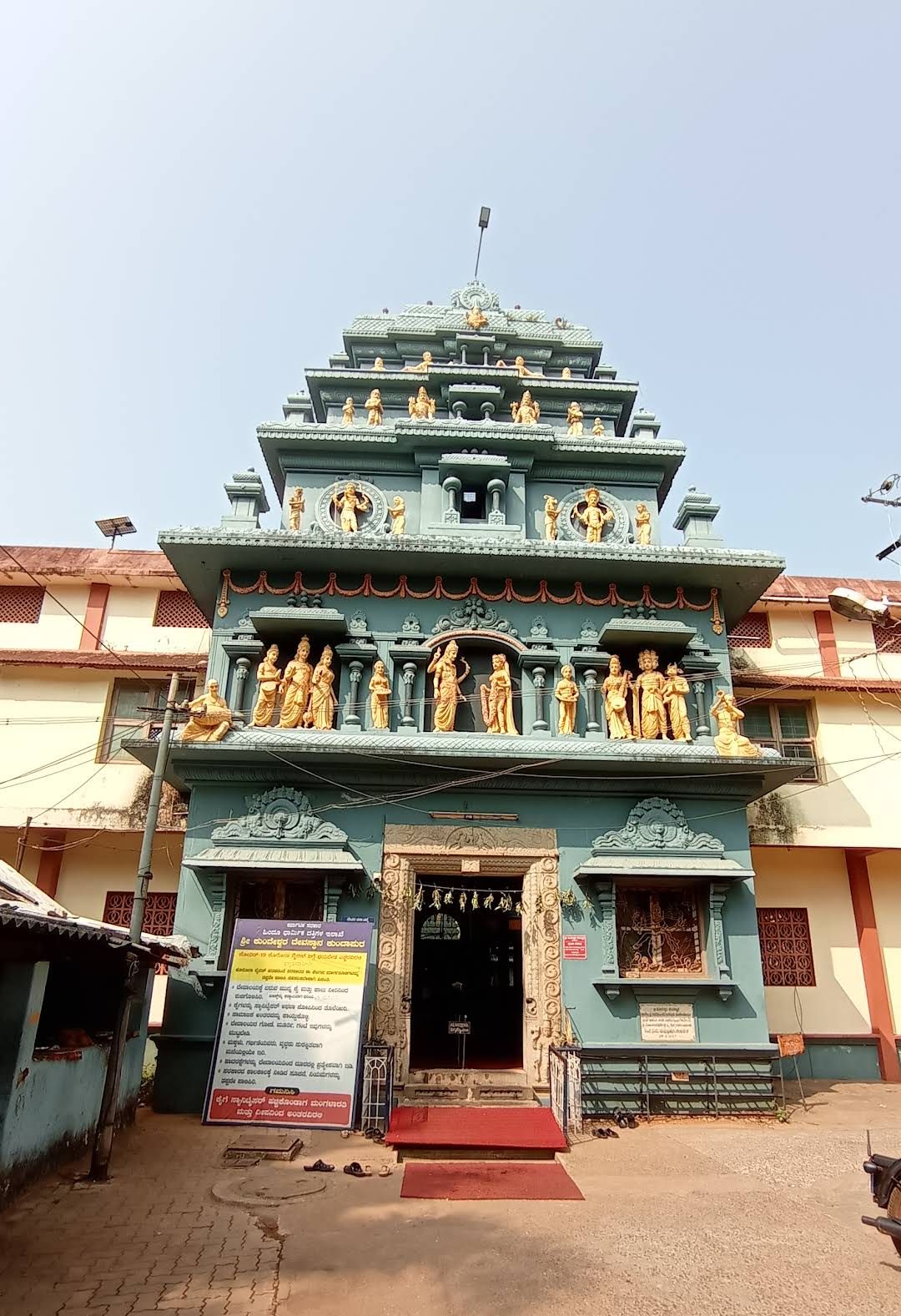
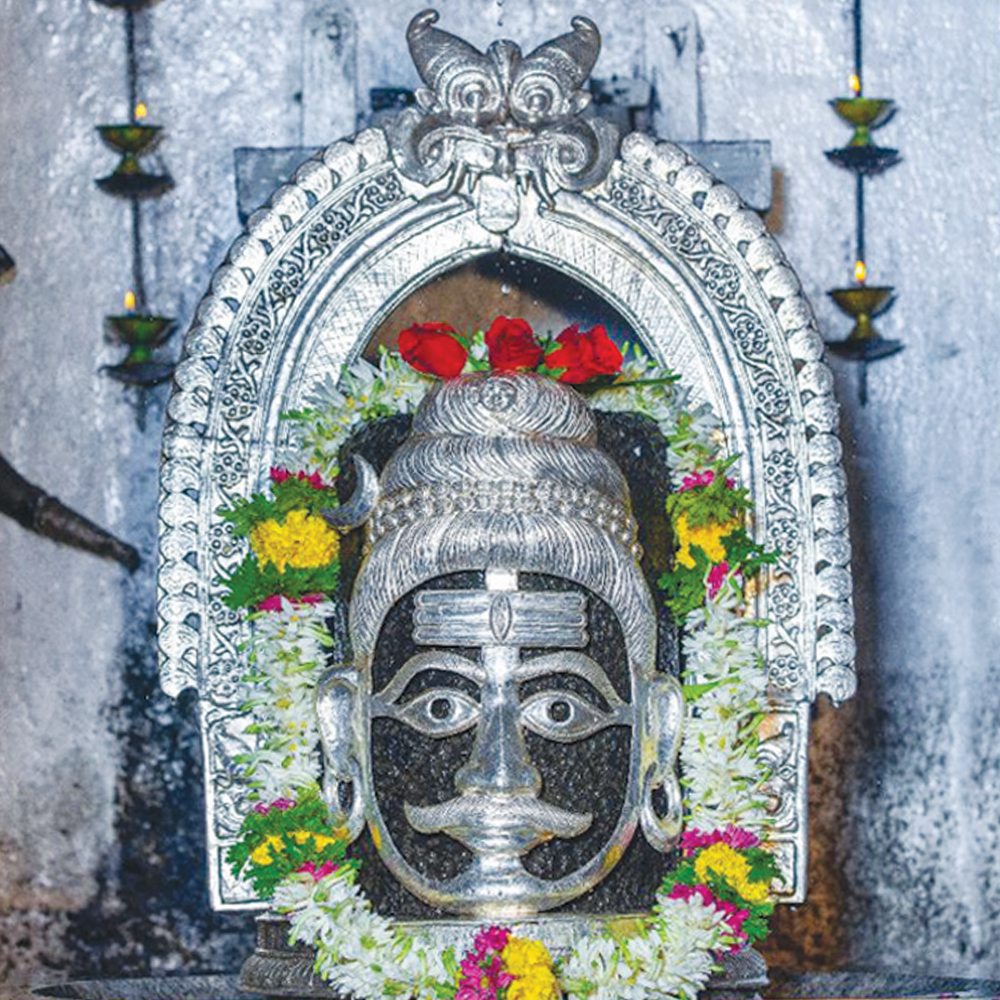
Coastal Karnataka, historically the land of Tulu Nadu, was governed for centuries by the Alupa dynasty (roughly the 8th–14th centuries), who ruled as feudatories of larger powers such as the Chalukyas and Hoysalas. It was the Alupa king Kundavarma who, around the 10th–11th century, built the Sri Kundeshwara Temple dedicated to Shiva, the shrine around which the old town grew and from which, by tradition, Kundapura takes its name.
The estuary's calm waters and river access to the interior made the coast a natural transhipment point for rice, pepper, areca and salt long before written records become detailed. Medieval inscriptions, including a land grant of the Vijayanagara emperor Bukka I dated 1368 CE found locally, attest to the area's early importance.
The port of Basrur
Main article: Basrur
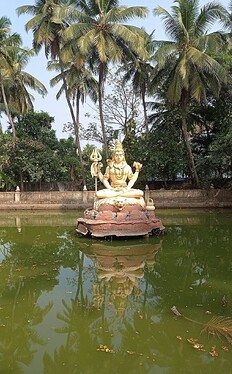
By the medieval period the town of Basrur (known to European traders as Barcelore) on the Varahi river had become one of the busiest ports on the western coast. It exported rice and pepper, minted its own coinage, and hosted merchant communities of many faiths. Its prosperity is recorded by Arab, Portuguese and Italian travellers, and the nearby fort associated with Queen Abbakka and ancient temples survive as reminders of that age.
Vijayanagara & the Keladi Nayakas
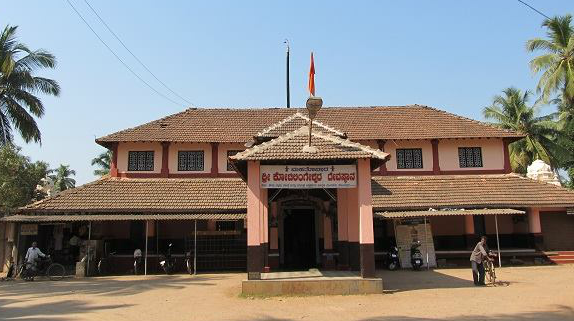
The coast came under the influence of the Vijayanagara Empire, and after its decline, of the Keladi (Ikkeri) Nayakas, who controlled much of the Canara coast and its lucrative pepper trade. Temples and tanks across the taluk, including the ancient Kotilingeshwara shrine at Koteshwara, beside which a Vijayanagara-era fort once stood, bear the marks of this era of patronage.
The Portuguese, Mysore & the British
In 1570 the Portuguese captured Kundapura, building a fort and erecting the Our Lady of the Holy Rosary chapel, today a 450-year-old church. The Keladi ruler Shivappa Nayaka recaptured the town by 1652. In the 18th century the region was absorbed into the Mysore kingdom under Hyder Ali and Tipu Sultan, who contested the coast with the Portuguese and the British. After the fall of Tipu Sultan in 1799, the coast passed to the British East India Company and was administered as part of the South Canara district of the Madras Presidency, with the port recorded as Coondapoor.
Modern era
After Indian independence in 1947, South Canara was reorganised and the Kundapura area eventually became part of Mysore State, later renamed Karnataka. In 1997 the new Udupi district was carved out, with Kundapura as one of its taluks. Today the town balances its fishing and farming heritage with education, tourism and a large diaspora working in the Persian Gulf.
A timeline of the coast
The Alupa dynasty
Tulu Nadu is ruled by the Alupas; King Kundavarma builds the Kundeshwara temple (c. 10th–11th c.).
Basrur flourishes
The port of Basrur (Barcelore) becomes one of the western coast's busiest, minting its own coins.
Vijayanagara
A land grant of emperor Bukka I attests to the region's importance under Vijayanagara influence.
The Portuguese
The Portuguese capture Kundapura, build a fort and the Holy Rosary chapel.
Keladi recapture
Keladi Nayaka Shivappa retakes Kundapura from the Portuguese.
Hyder Ali & Tipu Sultan
The Mysore rulers contest the coast with the Portuguese and the British.
British South Canara
After Tipu's fall, the coast joins the South Canara district of the Madras Presidency as "Coondapoor".
Udupi district
Kundapura becomes a taluk of the newly created Udupi district of Karnataka.
References & notes
- Compiled guide: "Kundapura, The Pearl of Coastal Karnataka".
- South Canara District Gazetteer (historical); local inscriptions (Bukka I grant, 1368 CE).
- Accounts of European and Arab travellers on the Canara ports.
- Udupi District administration, historical notes.
Photographs were contributed by residents and visitors and are used for cultural and educational reference.